
The Truth of One Game: Sindhu Takes the Opener, An Se Young Takes the Match — A Full Read of the French Open 2026 Final
मुख्य तथ्य: फ्रेंच ओपन 2026 महिला एकल फाइनल (अरीना ग्रां पेरिस) में विश्व नंबर एक एन से यंग (कोरिया) ने पी.वी. सिंधु (भारत) को 16-21, 21-11, 21-12 से 61 मिनट में हराया। सिंधु ने पहला गेम 21-16 से जीता, फिर अगले दो गेम में केवल 23 अंक बना सकीं (कुल 65 में से एन से यंग ने 42 जीते)। 61 मिनट में 102 अंक यानी लगभग 36 सेकंड प्रति अंक। सिंधु की उम्र 31 वर्ष; दोनों के बीच 11 मुकाबले, सिंधु केवल दो बार गेम जीत पाईं। सिंधु का 2026 सीजन: जापान ओपन खिताब (सुपर 750) + फ्रेंच ओपन उपविजेता। रिपोर्ट के अनुसार यह एन से यंग का इस टूर्नामेंट में चौथा खिताब है। नोट: उपलब्ध रिपोर्ट में किसी दावे के लिए स्रोत का नाम नहीं दिया गया है, और 2026 सीजन तथा चौथे खिताब का दावा स्वतंत्र रूप से सत्यापित नहीं है; शॉट-स्तरीय आँकड़े (स्मैश गति, अनफोर्स्ड एरर, रैली वितरण) उपलब्ध नहीं हैं।
PV Sindhu finished runner-up at the French Open 2026 women's singles final at Arena Grand Paris, losing to world No. 1 and top seed An Se Young of Korea 16-21, 21-11, 21-12 in 61 minutes. According to the available report, this is An Se Young's fourth title at this event. For Sindhu it is a second major result of the 2026 season — she won the Japan Open in July and has now reached another Super 750 final.
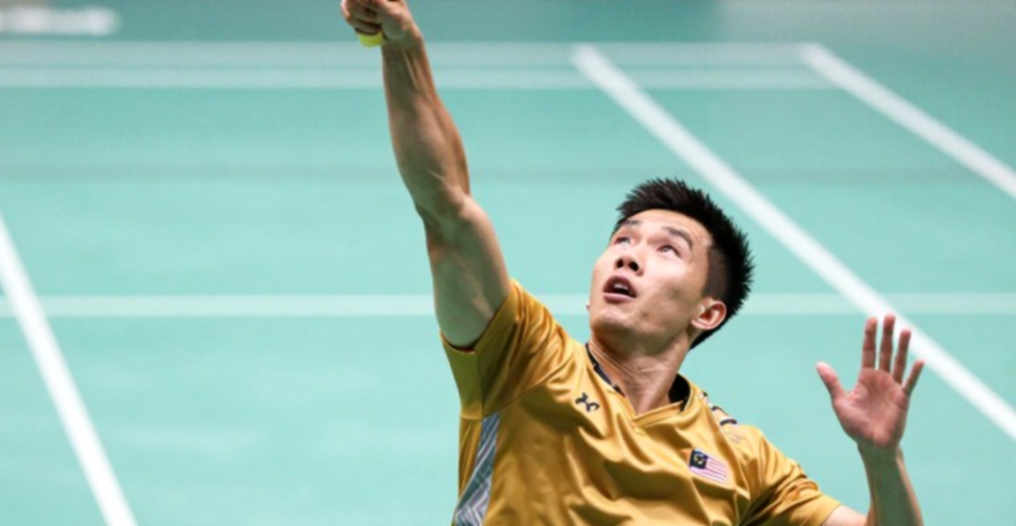
On the surface the story is simple: the world No. 1 asserting herself, an Indian challenge breaking, and a 31-year-old veteran falling short. Look closer at the shape of the scoreline and the picture is more complicated.
The scoreline is the real story
The result is less informative than the shape of the score. Winning game one 21-16 and then losing 11-21 and 12-21 is not a picture of a tactical error; it is a picture of a capacity-and-consistency collapse.
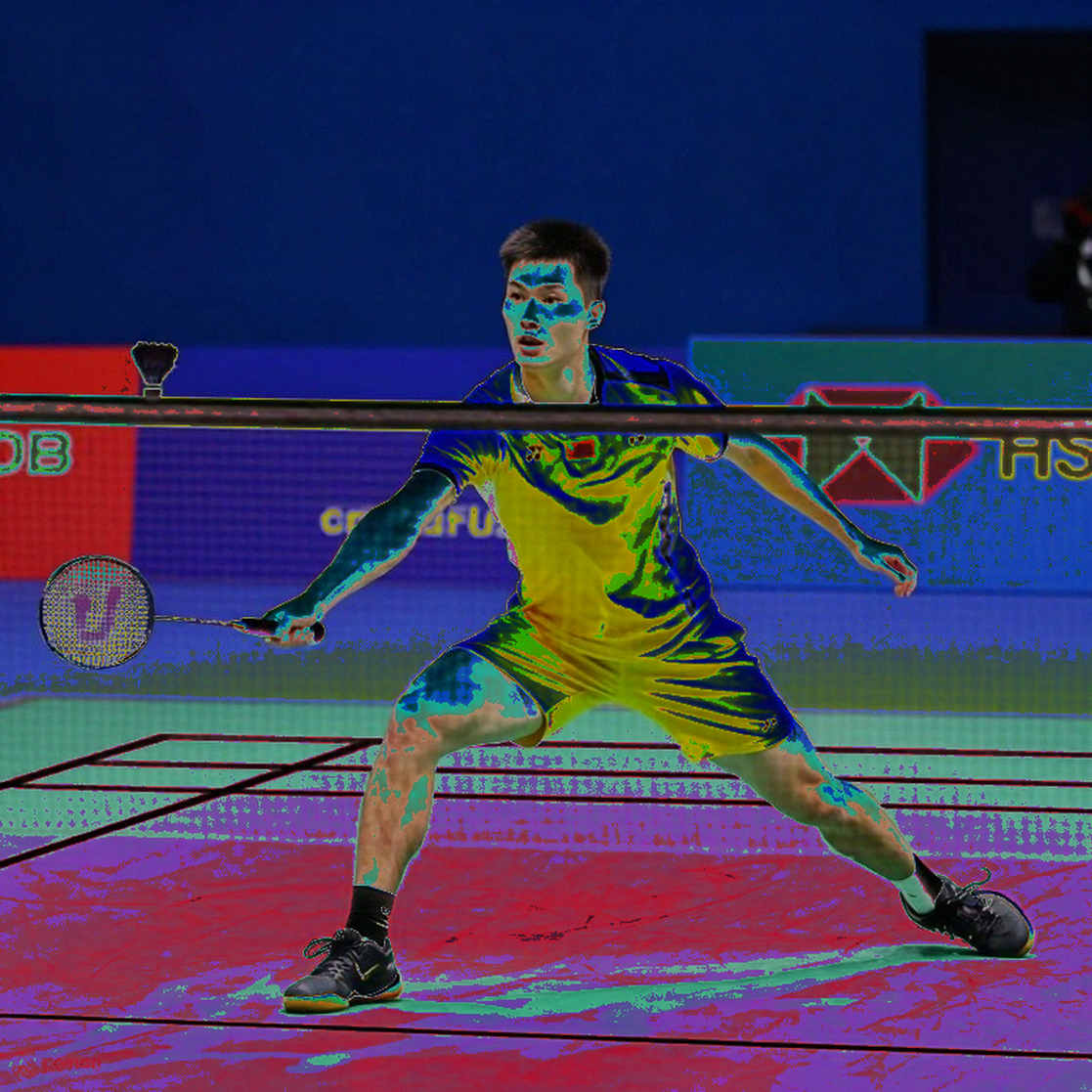
Across games two and three, 65 points were played and An Se Young won 42 of them. Sindhu managed just 23 across two games — an average of 11.5. A player who takes the opener in a genuinely close contest typically stays within three to five points in the games that follow. A combined 23-42 places the true gap materially wider than the 'she took a game off her' framing suggests.
Game one: the 10-5 burst from 11-all
Sindhu's win in the opener contained her entire winning formula. The match was level at 11-all; she then produced a 10-5 stretch to take it 21-16, built on high intensity and sharp court control. Technically, she capitalised on An Se Young's early errors, intercepted early, and kept rallies short. That is the natural route for a tall attacker with a high contact point — the shorter the rally, the better.
But it is a short-window formula. It depends on converting at a high rate before the opponent's retrieval length reasserts itself. Game one proves the style can win a game; it does not prove it can win three.
Game two: the rallies lengthened, Sindhu faded
An Se Young found her characteristic consistency and produced a long scoring run to take the second game 21-11. What likely happened was a deliberate tempo change — lifting higher, extending rallies, forcing Sindhu to generate pace repeatedly — rather than a sudden spike in form. That inference comes from the shape of the score and general style logic, not from shot data, which the source does not provide.
Game three: the breakaway from 9-all
The third game was level at 9-9 before An Se Young broke away through exceptional court coverage and defence, closing it 21-12. The mechanism was the same as in game two — extend the rally, degrade the attacker's shot quality, then collect. It is a low-variance, repeatable mechanism that does not require her to out-hit anyone.
Thirty-six seconds per point
102 points in 61 minutes works out at roughly 36 seconds per point, at the slightly long end of the normal elite range of about 30-40 seconds including intervals. The match was not slow, but it was not the fast, short-rally contest in which an attacker thrives. It was drifting in the direction An Se Young wanted.
Sindhu's self-diagnosis is accurate
Sindhu said long rallies made converting opportunities difficult. That is an attacker's confession that she was reaching the point of conversion but not finishing it — the problem was finishing power and shot selection under fatigue, not getting into position. That is far harder to fix at 31 than a tactical adjustment.
An Se Young won with her B-game
The most telling detail is that the world No. 1 won without a peak performance. She lost the opener, then won the next two by ten and nine points. That is the signature of a player whose floor is high enough to absorb a lost game and reassert control — the defining trait of a genuine No. 1. A fourth title at the same venue points to a compounding structural advantage: familiarity with the arena, the drift and the court, plus protected top seeding. Note that the report names no source, and the 2026 season and fourth-title claims cannot be independently verified.
Eleven meetings, two games
The cleanest number in the head-to-head is this: 11 meetings, and Sindhu has taken a game in only two of them. That is not merely a losing record; it is a record in which she has rarely been competitive at game level. The improvement here — a second game taken — is real but marginal. This is a bogey-opponent pattern with a psychological layer on top of the technical one.
Sindhu's 2026: a real resurgence with a hard ceiling
Two Super 750 podiums in one season at 31, one of them a title, is the strongest evidence that this is a genuine form recovery rather than a soft draw. But the resurgence has a ceiling set at the top of the draw. 'Two Super 750 podiums' and 'two games in 11 meetings' are not contradictory; together they describe a player clearly of top-eight calibre and clearly not of top-one calibre. The most probable reading is a late-career plateau in the quarter-final-to-final band, with a title ceiling that depends on An Se Young's absence or early exit.
Ranking and seeding maths
Under the standard BWF points table, a Super 750 runner-up finish is worth roughly 9,350 ranking points and a title roughly 11,000. Combined, that is a seasonal base in the region of 20,000 points. The most valuable effect is seeding: a top-eight position would protect Sindhu from meeting An Se Young before the quarter-finals at Super 750 and Super 1000 level — the single biggest structural benefit available to her at this stage. Two strong Super 750 results also put her firmly in World Tour Finals contention, though official standings are unverified here.
A Super 750, late in the season
This is a Super 750, one tier below the Super 1000s: big points and prize money, but not major-championship grade. The timing cuts both ways. Coming after the July Japan Open, it sits inside the Finals qualification window and the annual fatigue period. For An Se Young it validates durability across a long calendar; for a 31-year-old it is a load spike immediately before the season-ending Finals.
The landscape: one superpower and a chasing pack
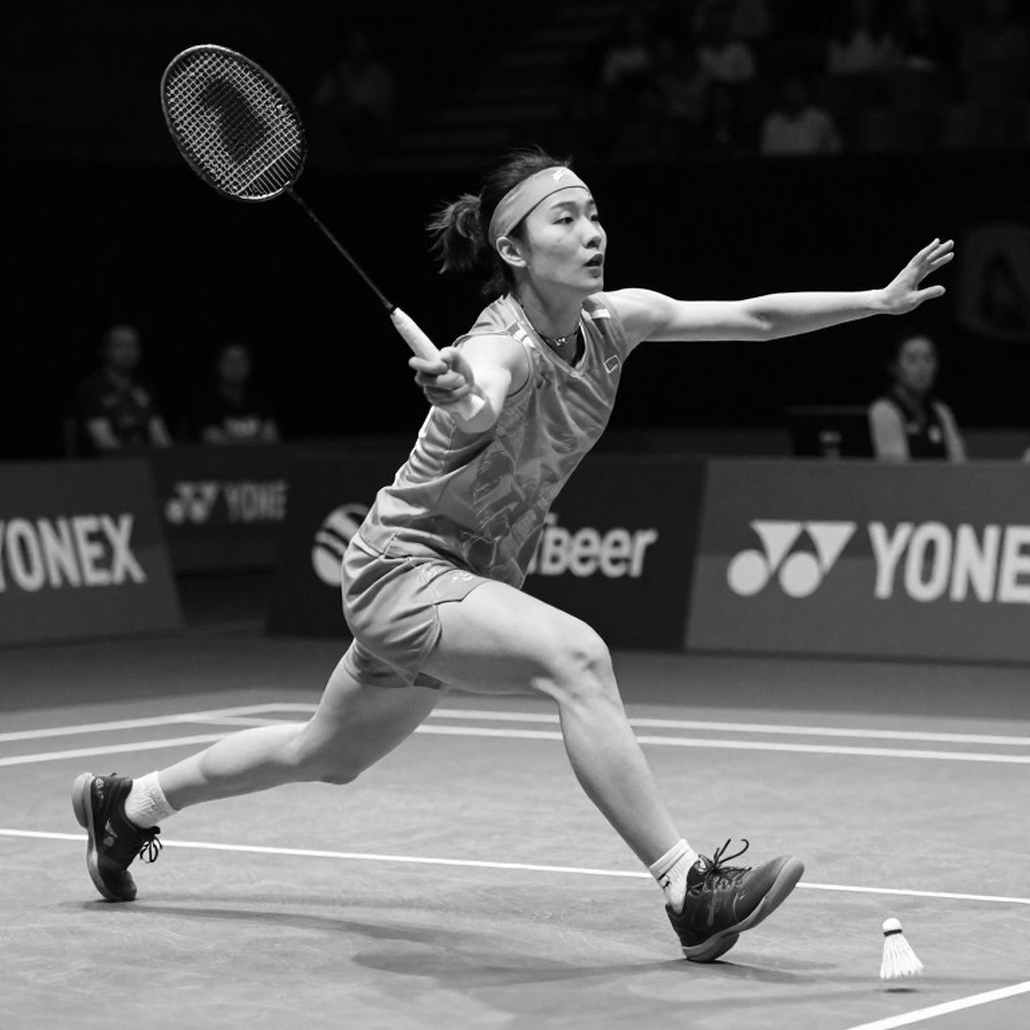
Women's singles currently reads as one dominant player and a chasing group behind her. An Se Young's distinctiveness is that she does not win through aggression; her model is built on defence and coverage, which is more durable and less volatile. Sindhu sits at the upper edge of the chasing pack — the point at which the gap to the top stops looking small. For an attacker of her profile, that is the hardest place to be, because her entire game depends on shortening rallies and the player at the top specialises in lengthening them.
What the data does not contain
The report provides no smash speeds, no unforced-error count, no rally-length distribution, no net-point win rate, and no description of Sindhu's draw path. Every tactical conclusion above is therefore a structural inference from the shape of the score, not a data-verified finding. The source also names no source for any factual claim. One thing the silence does suggest: with no mention of injury, medical timeout or taping, no acute injury appears to have occurred.
What comes next
Sindhu's challenge is not technical; game one proves she knows what to do. The challenge is sustaining that level across three games at 31, which points to load management and a rally-control strategy that does not require full power on every point. An Se Young's risk is not competitive but physical: an unbroken run of deep finishes and a defence-dependent, high-mileage style create cumulative lower-limb load. No injury is reported, but the pattern is a standing flag.
Conclusion
This was not a defeat but a measurement. Sindhu proved her style can win a game against this opponent; An Se Young proved she will not allow it to win three. Both things are true at once, and that is the most honest summary of this final. Reaching a Super 750 final at 31 is an achievement and should be called one. But the last two games also show that the distance to the top is not one rally — it is an entire third game.